
Restorative dentistry repairs or replaces teeth that are decayed, cracked, worn or missing. The goal is to bring back how your teeth work and look while keeping as much of your natural tooth as possible. The right treatment depends on how much of the tooth is affected, where it is in your mouth, and your own goals. Here is an overview of the most common restorative treatments.
Tooth-Colored Fillings
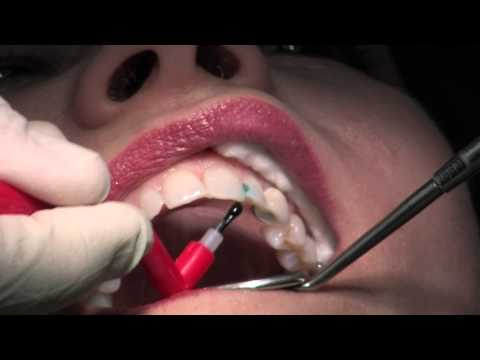
A filling repairs a tooth where decay (a cavity) or a small fracture has damaged it. Tooth-colored fillings are made of composite resin, a blend of plastic and fine glass-like particles that can be shaded to match your natural teeth. Because composite bonds directly to the tooth, your dentist can often remove less healthy tooth structure than with older types of fillings.
What Happens During a Filling Appointment
- Numbing. Your dentist usually starts by numbing the tooth and the gum around it with a local anesthetic.
- Removing decay. The decayed or damaged part of the tooth is removed and the area is cleaned.
- Keeping the tooth dry. Composite bonds best to a clean, dry surface, so the tooth is isolated with cotton rolls or a thin rubber sheet called a dental dam.
- Bonding. A bonding agent is applied so the filling attaches firmly to the tooth.
- Placing the composite. The composite is added in thin layers, and each layer is hardened with a special curing light.
- Shaping and polishing. Your dentist shapes the filling to match your natural tooth, checks your bite, and polishes the surface smooth.
Most fillings are completed in a single visit.
Inlays and Onlays
When a cavity or fracture is too large for a filling but the tooth doesn’t need a full crown, an inlay or onlay may be an option. An inlay fits within the cusps (the raised points) of a back tooth, while an onlay covers one or more cusps. They are custom-made to fit the tooth, often from porcelain, composite or gold, and then bonded or cemented in place. Because they cover only the damaged part, they can save more natural tooth than a crown.
Crowns and Bridges
A crown is a cap that covers the entire visible part of a tooth. It is used when a tooth is too damaged, cracked or weak for a filling, and often after a root canal. A bridge replaces one or more missing teeth by attaching a false tooth to crowns on the neighboring teeth. To learn how each is done, see crowns and bridges.
When a Tooth Needs a Root Canal
When decay or an injury reaches the soft tissue inside a tooth, called the pulp, the pulp can become inflamed or infected. Root canal treatment removes that tissue and cleans and seals the inside of the tooth, so you can keep your natural tooth. If a tooth needs a root canal, we’ll refer you to a specialist (an endodontist). Afterward, the tooth usually needs a crown or other restoration to protect it.
Veneers and Bonding
Veneers are thin shells, usually made of porcelain, that are bonded to the front of teeth to change their color, shape or size. Resin bonding uses tooth-colored composite to repair chips, close small gaps or reshape a tooth, usually with little or no removal of tooth structure. Both are commonly used to improve the appearance of front teeth.
Teeth Whitening
Whitening lightens the natural color of your teeth with a peroxide-based gel, applied either in the dental office or at home with custom-fitted trays. Whitening doesn’t change the color of fillings, crowns or veneers, so if you have dental work on your front teeth, your dentist will help you plan the order of treatment. Learn more about teeth whitening.
Replacing Missing Teeth
When a tooth is missing, the main options are a bridge, a dental implant, or a removable denture. A complete denture replaces all of the teeth in the upper or lower jaw. A partial denture fills gaps when some natural teeth remain, and is usually held in place by clasps around those teeth. Your dentist will discuss which options suit your mouth and your goals.
Night and Athletic Guards
Many people grind or clench their teeth, often during sleep, a habit called bruxism. Over time it can wear teeth down, chip fillings and strain the jaw muscles. A custom night guard is a thin appliance worn over the teeth during sleep to cushion and protect them. An athletic mouthguard protects your teeth, lips and gums from injury during contact sports. Learn more about TMJ treatment and night guards.
Fillings and Crowns Videos

Restorative Treatments
- Tooth-colored fillings
- Natural-looking crowns, bridges, veneers
- Teeth Whitening
- Implants
- Night & Athletic Guards
For Your Added Comfort
- Oral Sedation
- Movies/TV, blankets, extra pillows
Restorative Educational Videos




Ready to schedule a visit?
Send us an appointment request and we will contact you within one business day, or call us at (425) 867-1484.